Minister of Education, Science and Technology, Honourable Bright Msaka SC, has reaffirmed the Government’s commitment to increasing investment in education and strengthening accountability in the implementation of sector priorities, saying the revised National Education Sector Investment Plan (NESIP) 2026–2030 will provide a framework for translating commitments into measurable results.
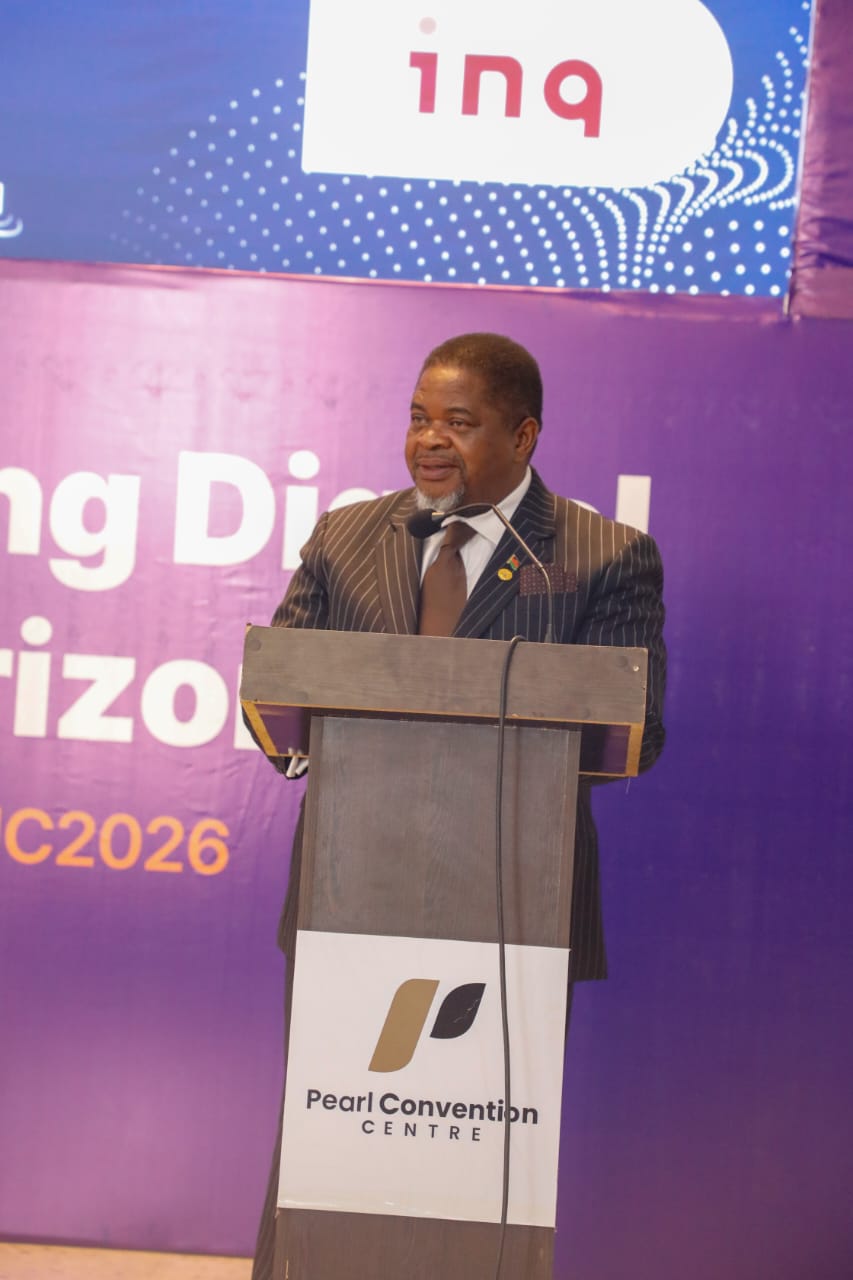
Speaking on Tuesday during the Education Joint Sector Review Meeting in Lilongwe, Msaka said the Government remains committed to mobilising domestic resources for education as a critical investment in human capital development and the attainment of Malawi 2063.
He said the Government has allocated approximately K1.305 trillion to the Education and Skills Development Sector in the 2026/27 financial year.
The allocation includes K47.6 billion for free primary and secondary education, K42 billion for student loans, K34.35 billion for Constituency Development Fund bursaries, K11.3 billion for free national examinations and student identity cards, and K11 billion for teaching and learning materials.
Msaka said the Government will progressively increase education allocations towards the internationally recommended benchmark of at least 20 percent of national expenditure, while strengthening timely release, efficient utilization, and accountability for resources.
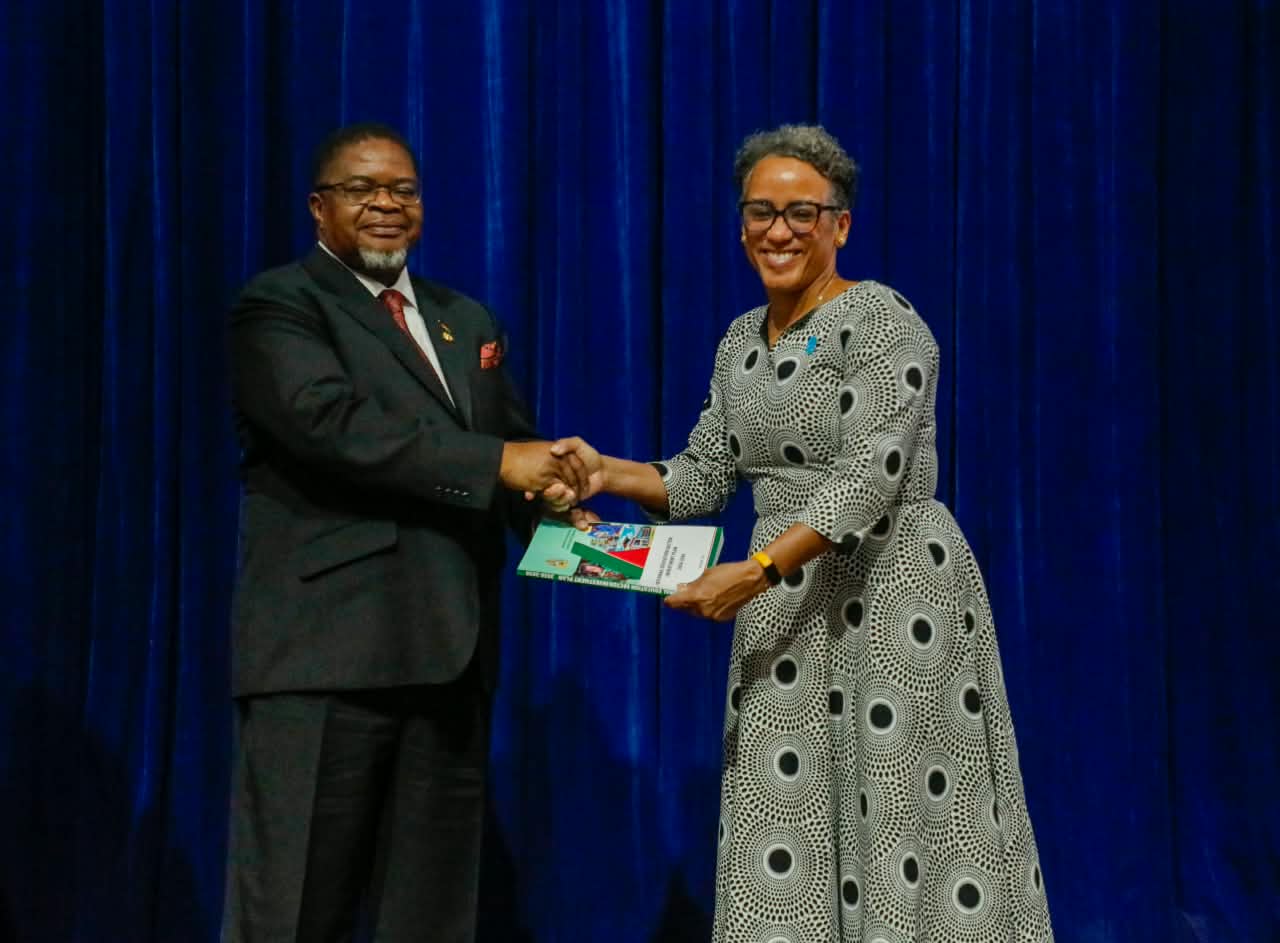
He said the revised NESIP 2026 - 2030 plan provides the Government and its partners with a common framework for setting priorities, coordinating investments, and delivering results across the education sector.
Msaka said the plan will guide interventions in early childhood education, foundational learning, secondary education, teacher development, technical and vocational training, and higher education, while strengthening inclusion, digital learning, climate-resilient infrastructure, and governance.
He called on development partners, civil society organizations, communities, parents, teachers, and the private sector to support the implementation of NESIP, saying education financing and delivery require collective responsibility.
The Minister said the Government will continue providing policy direction, leadership, and oversight while encouraging stakeholders to contribute towards sustainable education financing and improved learning outcomes.
UN Representative Naomi Campbell said the launch of the revised NESIP comes at a critical moment when Malawi has a huge youthful population that can contribute to national development if provided with quality education and relevant skills.
Campbell said the five-year plan will guide the education sector in unlocking the country's demographic dividend by ensuring that children acquire the knowledge and skills needed to contribute meaningfully to the economy and the attainment of Malawi 2063.
She said this year's Joint Sector Review theme underscores the importance of shifting attention beyond school enrollment to actual learning outcomes, emphasizing that success in education should be measured by what children learn and the skills they acquire.
Keynote Speaker Associate Professor Chikumbutso Manthalu called for urgent transformation of Malawi's education system, saying education must contribute meaningfully towards resolving the country's development challenges.
The keynote speaker stressed that education transformation is an urgent national responsibility, saying the sector must be central to addressing Malawi's challenges and shaping a better future for its citizens.