The Ministry of Education, Science and Technology says it will sustain gains from the EU-funded Tsogolo la Thanzi II (TSOLATA II) School Meals Programme, implemented through WFP, as the initiative phases out in September 2026 after supporting over 460,000 learners.
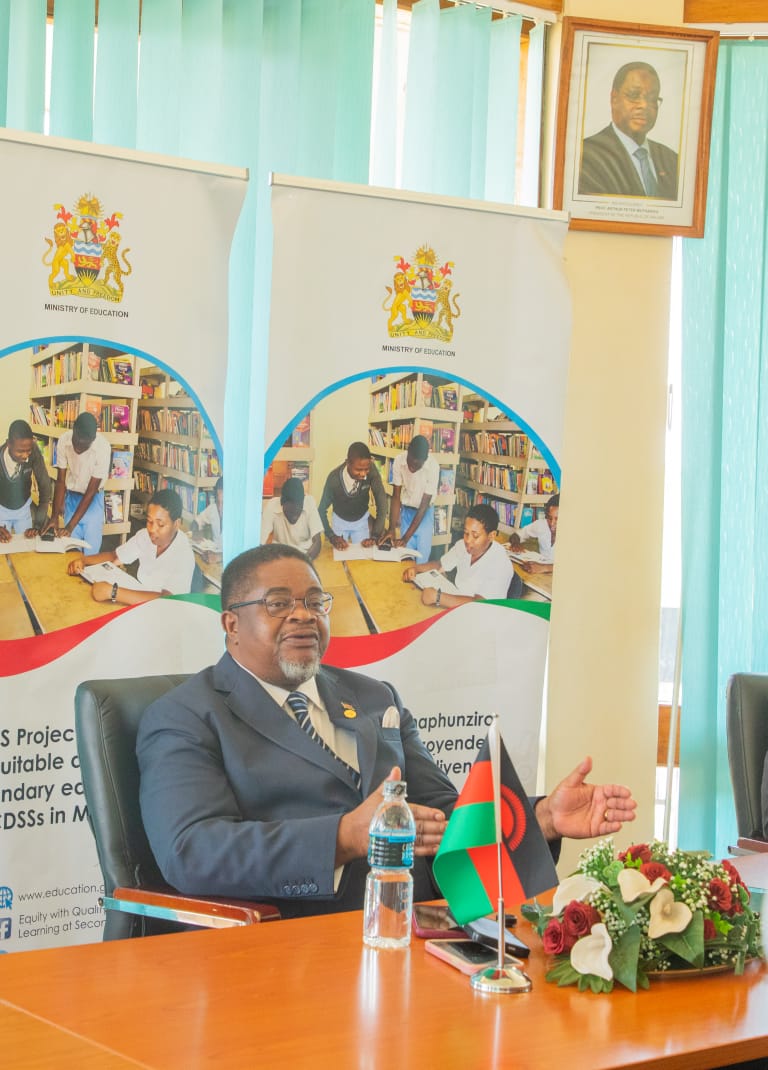
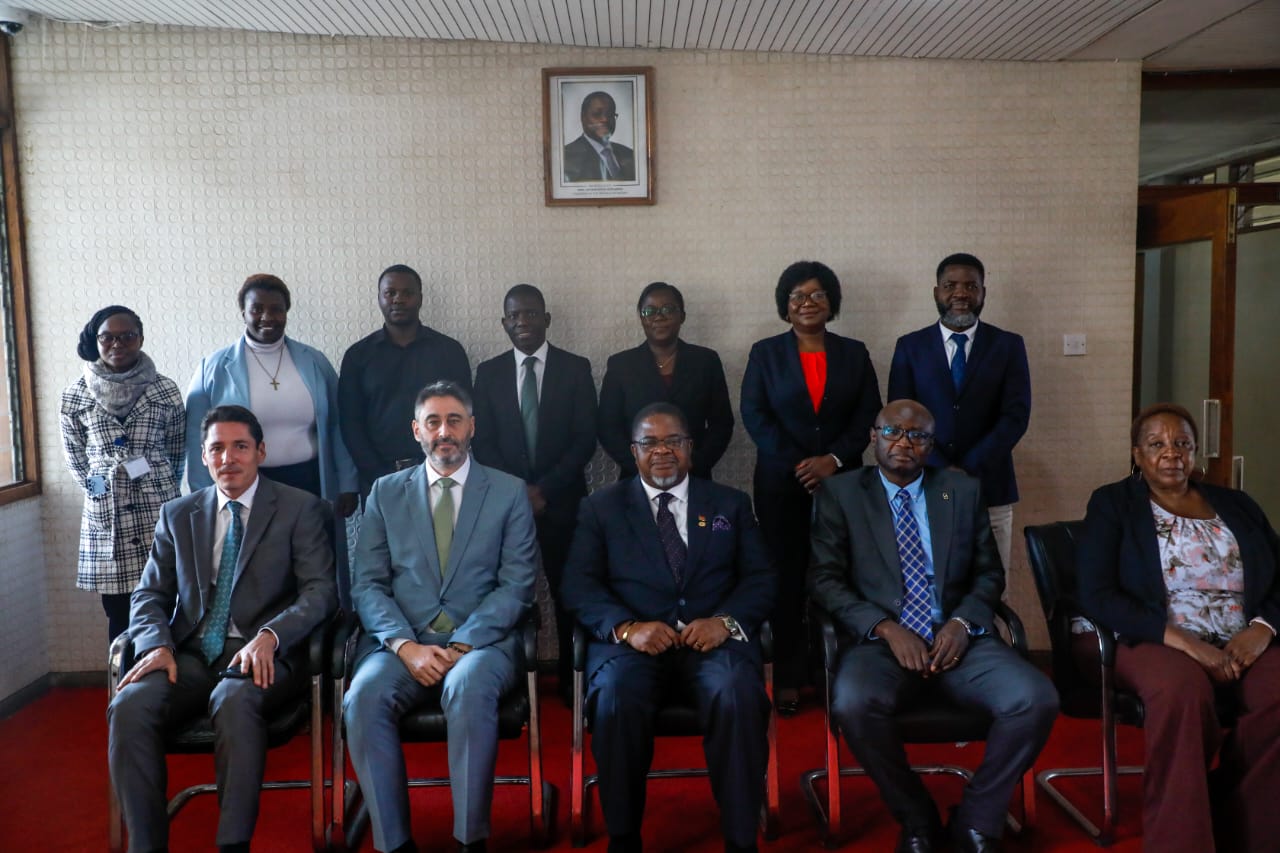
Minister of Education, Science and Technology Honourable Bright Msaka, SC, made the pledge on Wednesday in Lilongwe during a courtesy visit by European Union and WFP on strengthening and scalling up school meals.
Msaka said government is committed to expanding school meals coverage from the current 44 percent of public primary schools to 100 percent by 2030, calling the programme a key investment in education, nutrition, agriculture and human capital development.
As TSOLATA II winds down, the Minister said government will focus on strengthening national systems, increasing domestic financing and working with partners to ensure a smooth transition that safeguards the programme’s gains.
EU Ambassador to Malawi Daniel Aristi – Gaztelumendi said the EU is proud of its partnership with Malawi through TSOLATA II and noted that the programme has shown school meals are not only about providing food but are also investments in nutrition, social protection, local economic development and agricultural commercialisation.
The Ambassador added that sustainability beyond TSOLATA II will require a clear transition plan specifying institutional arrangements, financing mechanisms and accountability frameworks for a nationally owned Home Grown School Feeding Programme.
The EUR 28.3 million TSOLATA II programme, implemented from August 2023, supported Home Grown School Feeding in seven districts through collaboration between the Ministries of Education, Agriculture, Gender and Community Development, and Health.